

Possessing a manufactured home offers distinct benefits, but it also demands diligent maintenance to ensure your investment is sound. One important aspect of this upkeep is adjusting your mobile home. An unlevel home can lead to a range of issues, from structural damage and foundation setbacks to common annoyances like sticking doors and uneven floors. Comprehending why and how to level your mobile home is essential for maintaining a secure living environment.
In this guide, we will guide you through the important checklist for leveling your mobile home. Whether you're a veteran DIY enthusiast or a novice homeowner, our thorough step-by-step instructions will empower you to take charge of your mobile home's leveling needs. With the appropriate tools, accurate techniques, and a keen eye for detail, you'll be well on your way to ensuring your home is secure for years to come. Let installing skirting on a mobile home dive into the necessity of leveling, the signs that indicate your home may be out of level, and the preparations needed for a smooth leveling process.
Comprehending Trailer Leveling
Leveling a manufactured home is a important process to ensure the security and safety of your living space. In contrast to traditional homes, trailers are more prone to movement due to environmental factors, foundation issues, and also natural settling. Adequate adjustment does not only improves ease but also boosts the overall functionality of the home, such as the working of doors, windows, and devices.
When a trailer is not level, you may observe a range of problems, ranging from sloping levels to doors that won’t close properly. These difficulties can intensify if left unchecked, leading to damage to the structure and costly fixes. Grasping the relevance of maintaining a straight trailer is crucial for homeowners who want to preserve their investment and ensure a secure home environment.
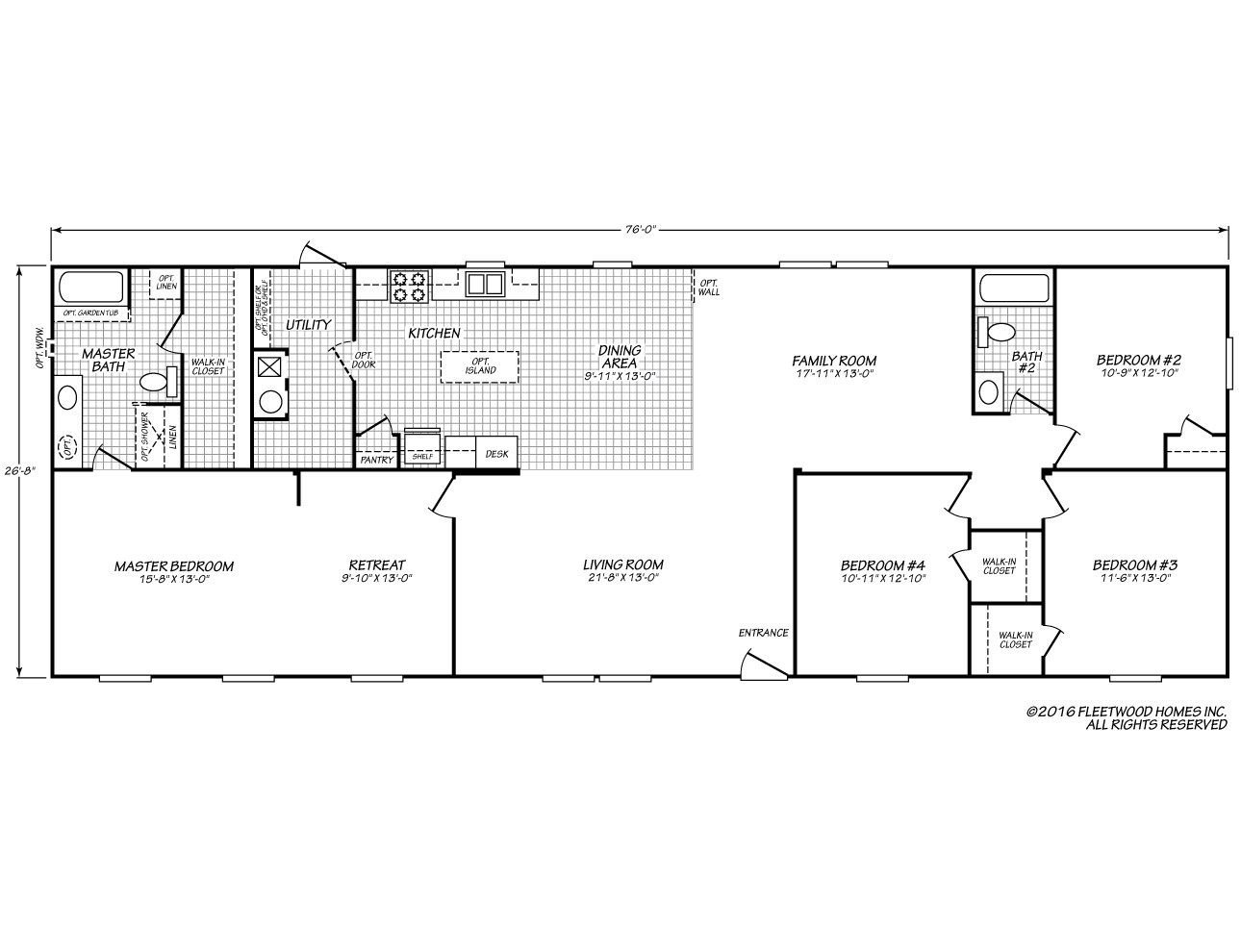
The adjustment process typically involves a combination of assessment and realignment techniques. Homeowners need to become familiar with the signs suggesting that their trailer is out of level and the instruments needed for the balancing procedure. By gaining knowledge about manufactured home stabilization, you can efficiently handle this project and uphold the integrity of your house for years to come.
Crucial Tools and Protective Measures
To properly level your trailer, you'll need to collect several essential tools. A manual or mechanical jack is vital for raising the home securely, allowing for accurate modifications. Additionally, a level—preferably a laser level or liquid level—provides precision in checking the flatness of the structure. Other important tools include reliable shims to prop up the home once it's been raised, a measuring tape for ensuring correct alignment, and a pry bar to help with adjustments when necessary. Make sure to include protective equipment like gloves and goggles to safeguard yourself during the operation.
Safety is paramount when leveling a manufactured dwelling. Before beginning, take time to examine the site, ensuring it is free of obstacles and has a level surface. It's important to inspect your jacks for any signs of damage and ensure they can bear the load of the structure. When raising the unit, do so slowly and avoid raising it too high at once, which can create instability. Also, always have someone with you during the operation; an extra set of hands can help identify potential dangers and ensure that all safety protocols are followed.
After leveling, ensure the structure is secure before occupying it. Check that the jacks and shims are securely in place and watch for any signs of movement, especially after significant rainfall or fluctuations in temperature. Consistently inspecting and upkeeping the stabilization will help avoid future issues, ensuring your manufactured dwelling remains safe and livable. By being ready and careful, you can make the stabilization process smooth and efficient.
Step-by-Step Leveling Process
To initiate the leveling procedure, clear the area around your mobile home to ensure easy access to the foundation. Examine the ground for any signs of erosion, settling, or water accumulation that may have contributed to your home being out of level. After you have a clean work area, gather the essential tools and materials needed, such as a water level or laser level, blocks, shims, and jacks. This preparation is crucial for an effective leveling task.
Following that, check the current level of your home using your selected leveling method. Start at the center of the home and then check the corners. If you see that the home is not level, identify the low side and start jacking it up gradually. Put blocks or shims underneath the mobile home’s frame to achieve proper leveling. Take How to level a mobile home and ensure each adjustment is accurate, double-checking with your level regularly.
After achieving the desired level, stabilize the frame by locking in blocks or installing piers as necessary. This step strengthens the structure and prevents future settling. After everything is set, conduct a final check to verify the home is stable and level. Finally, remember to consistently check your mobile home’s level, especially after extreme weather changes or soil shifts, to maintain a safe living environment.
Lonestar Mobile Home Leveling & Skirting
276 County Rd 1700
Clifton, TX 76634
(254)266-5369