

Leveling a mobile home is an important task that influences both its security and durability. If you're a homeowner, understanding how to adequately level your mobile home can save you from a range of complications down the line, such as bumpy flooring, trapped doors, and or structural damage. This guide will walk you through the complete step-by-step process of leveling your manufactured dwelling, ensuring you are armed with the expertise and abilities to preserve a secure and comfortable living environment.
In this article, we will explore the importance of your mobile home needs leveling, the critical signs to watch for that suggest your home may be out of level, and the essential tools and materials required for the job. house leveling 'll also discuss safety precautions, specialized techniques for sloped lots, and when it might be wise to seek professional help. If you are you are a seasoned DIY enthusiast or a first-time homeowner, our detailed guide will help you learn the art of mobile home leveling, safeguarding your asset and enhancing your life quality.
Understanding Modular Home Leveling
Balancing a modular home is a crucial process that ensures stability, protection, and ease in your living space. As time passes, various factors such as shifting soil, inadequate foundation support, and environmental changes can lead to a mobile home to become uneven. This imbalance not only affects the structural integrity of the home but can also contribute to issues like misaligned doors, broken walls, and crooked floors. Recognizing the importance of maintaining a stable home is the first step toward protecting its worth and functionality.
Grasping how to effectively level a mobile home commences with recognizing the symptoms that suggest it may be unbalanced. Common indicators include doors and windows that fail to shut correctly, gaps in the siding, or noticeable slopes in the floors. Regularly checking your home for these signs can save you from more significant problems down the line. When you grasp the results of an imbalanced home, you can take proactive measures to address any leveling issues before they worsen.
The procedure of leveling includes various techniques and tools that tailor to your home's specific needs. From modifying the piers and blocks that hold up the structure to using dedicated leveling equipment like liquid levels or optical levels, the approach you choose will depend on the degree of the issue and the specific environment of your property. By mastering the essentials of manufactured home leveling, homeowners can guarantee their home remains secure, stable, and comfortable for a long time to come.
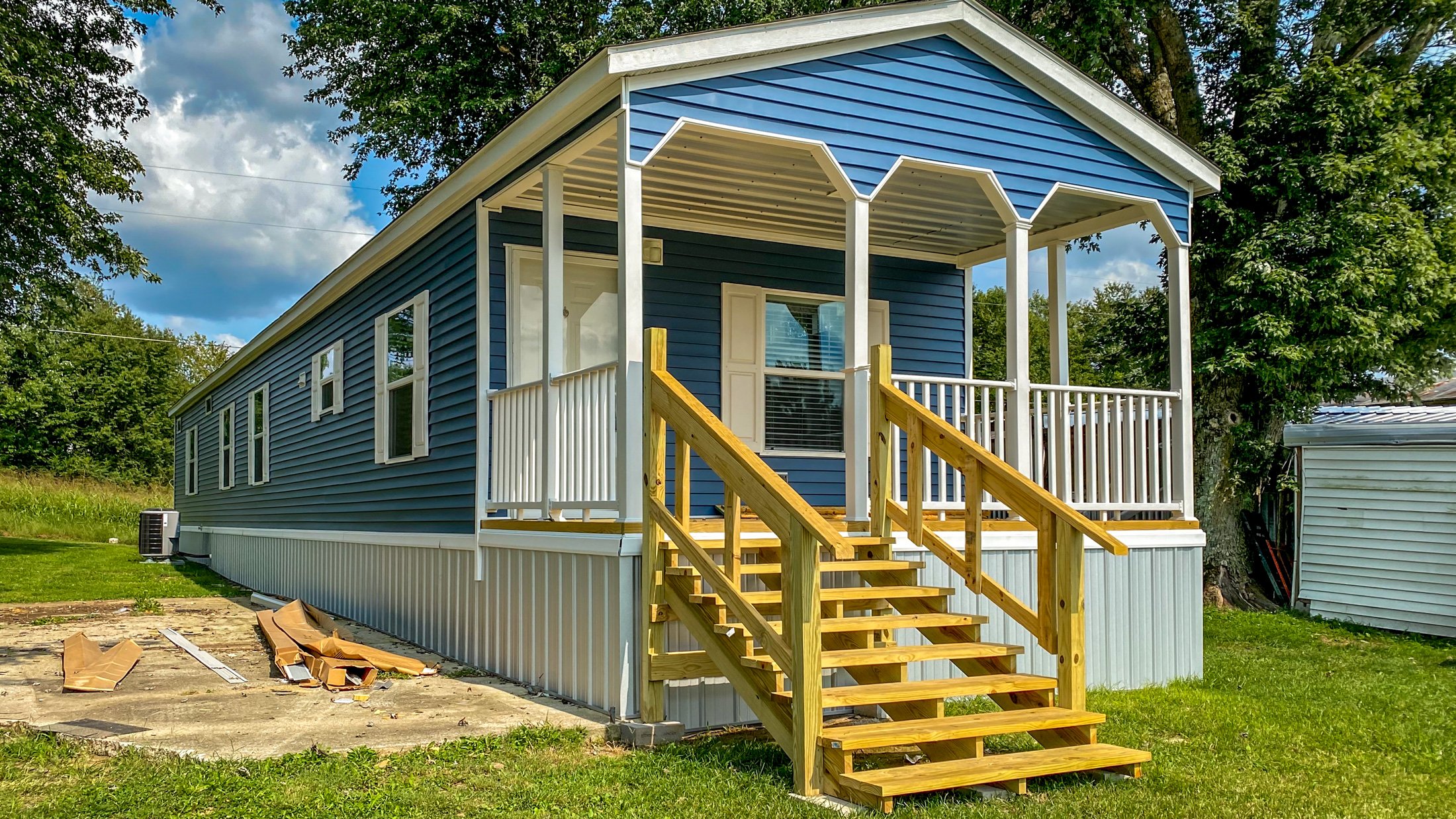
The Leveling Procedure: Equipment and Methods
To successfully adjust your mobile home, the right equipment and methods are crucial. You will need basic tools such as a bubble level, a tape measure tape, and a set of leveling jacks. A hydraulic level or laser level can enhance accuracy, especially for larger homes. Moreover, be sure to have cement blocks, shims, and a shovel on site. How to level a mobile home , including gloves and sturdy footwear, is also essential to protect yourself during the procedure.
As you beginning the leveling process, the first step is to evaluate your mobile home’s existing condition. Check for signs of unevenness by placing the bubble level in multiple locations throughout the home. Once you find the low areas, you can intelligently use your jacks to make adjustments. This often involves lifting the home at the points where it is drooping and inserting shims or blocks to provide solid support. Keeping a close eye on the level during this stage is important, ensuring adjustments are made gradually for the optimal results.
After making preliminary adjustments, it’s crucial to check your work by checking the level in various areas once more. Make any necessary corrections before securing the frame. This process may also uncover underlying issues such as vulnerabilities in the base or drainage problems which should be addressed. By using the correct tools and techniques, you can achieve a well-leveled mobile home that improves its stability and overall living conditions.
Upkeep and Long-term Considerations
Maintaining the level of your mobile home is essential for its durability and your comfort. Consistently checking your home's level status needs to be part of your regular home maintenance. Professionals advise reviewing your mobile home at least two times a year, looking for indicators like unlevel floors, jammed doors, or gaps in the window frames. These signs can trigger an evaluation of the level and structure of your home. Keeping a close eye these elements can save you from larger issues in the future.
Environmental factors can significantly influence the structural integrity of your mobile home. For instance, cycles of freezing and thawing, as well as heavy rains or dry spells, can shift the soil beneath your home, leading to unlevel surfaces. Tackling drainage issues around your property is crucial in preventing soil erosion or water accumulation that can affect your mobile home's foundation. Additionally, it’s advisable to check for any overgrowth from surrounding vegetation that may put pressure on your foundation.
Lastly, once you've leveled your mobile home, consider reinforcing weak spots with extra support systems like supports or wedges. This preventive measure can increase your home's stability, particularly in regions with unstable soil conditions. Remember that proactive maintenance and regular assessments are essential to ensuring the long-term advantages of a properly leveled mobile home, protecting your investment for the long haul.
Lonestar Mobile Home Leveling & Skirting
276 County Rd 1700
Clifton, TX 76634
(254)266-5369